

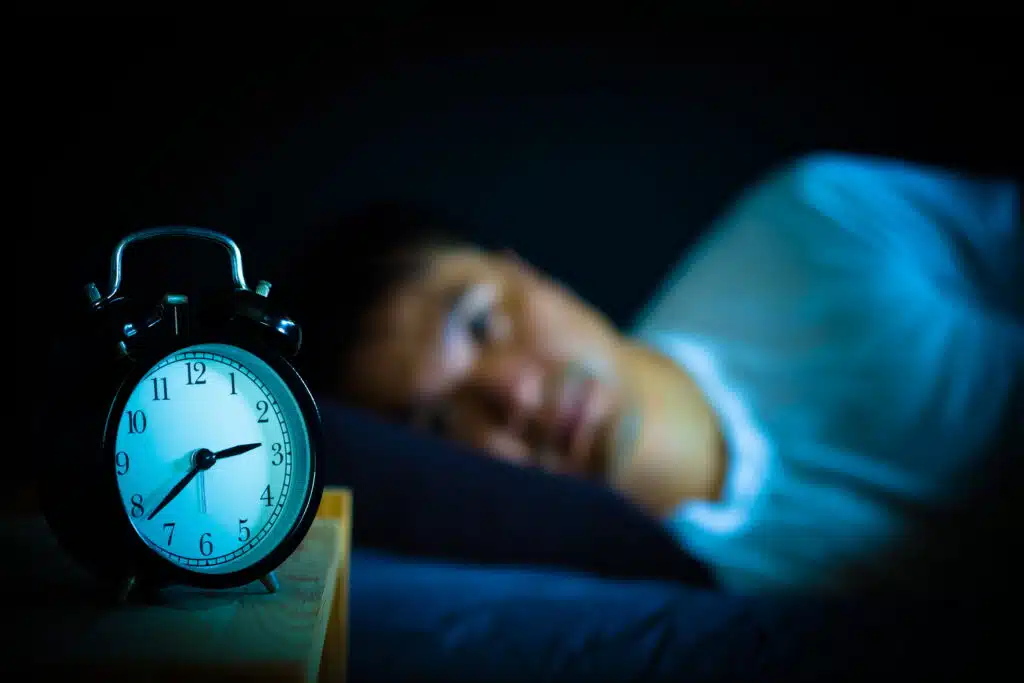
If you wake up feeling exhausted, struggle to stay alert during the day, or hear from your partner that you snore loudly, you might have wondered whether something more serious is going on. Many people in San Diego live with sleep apnea for years without realizing it. They assume they are just stressed, getting older, or not sleeping enough.
At SD Sleep Center in San Diego, CA, we often meet patients who say the same thing: “I thought this was normal.” It is not always obvious. Sleep apnea develops quietly, and the symptoms can overlap with other health concerns. The key is knowing what to look for and when to take action.
Let’s walk through the most common questions patients ask.
What is sleep apnea?
What is sleep apnea? In simple terms, it is a sleep disorder where your breathing repeatedly stops and starts during the night. These pauses can last from a few seconds to over a minute. In some cases, they happen dozens of times per hour.
The most common type is obstructive sleep apnea, or OSA. This occurs when the muscles in the back of your throat relax too much during sleep. The airway narrows or closes, and airflow drops. Your brain senses the lack of oxygen and briefly wakes you up to restart breathing. You may not remember these awakenings, but they fragment your sleep cycle.
There is also central sleep apnea, which is less common and involves miscommunication between the brain and the muscles that control breathing. Some patients have a combination of both.
Because these breathing interruptions happen while you are asleep, it can be difficult to recognize the problem on your own. Many people only learn about it after a spouse or partner notices loud snoring, choking sounds, or gasping during the night.
Why is it so serious?
Why is it so serious? Sleep apnea is more than snoring. When your oxygen levels drop repeatedly through the night, your body goes into stress mode. Your heart rate and blood pressure spike each time breathing stops.
Over time, untreated sleep apnea has been linked to high blood pressure, heart disease, irregular heart rhythms, and stroke. Research from the American Heart Association has shown a strong association between obstructive sleep apnea and cardiovascular risk. It can also increase the risk of type 2 diabetes and worsen insulin resistance.
Day to day, the impact can be just as significant. Chronic fatigue affects your focus, memory, and mood. Many patients describe irritability, anxiety, or even depression that improves once their sleep quality improves.
In a city like San Diego, where long commutes on I 5 or I 805 are common, daytime drowsiness also raises safety concerns. Falling asleep at the wheel, even briefly, can have serious consequences.
Sleep apnea does not just disrupt sleep. It affects your entire body.
Am I at risk?
Am I at risk? Certain factors increase the likelihood of developing sleep apnea, but anyone can have it.
You may be at higher risk if you:
- Snore loudly and regularly
- Are overweight or have gained weight recently
- Have a thick neck circumference
- Have a family history of sleep apnea
- Have high blood pressure
- Are male, though women are also affected, especially after menopause
Children can develop sleep apnea as well, often due to enlarged tonsils or adenoids. In adults, anatomical factors such as a small jaw, crowded airway, or enlarged tongue can contribute. Dentists and sleep dentists are often trained to recognize these structural signs during an exam.
Lifestyle factors matter, too. Alcohol use before bed can relax throat muscles further. Smoking increases airway inflammation. Even chronic nasal congestion from allergies, which are common in coastal areas of San Diego, can worsen breathing at night.
Risk does not equal diagnosis. It simply means you should pay closer attention to symptoms.
What are the warning signs of sleep apnea?
What are the warning signs of sleep apnea? Some are obvious. Others are subtle and easy to dismiss.
Loud, persistent snoring is one of the most common signs. Not everyone who snores has sleep apnea, but almost everyone with obstructive sleep apnea snores. If your snoring is paired with pauses in breathing, choking, or gasping, that is a strong signal something is wrong.
Morning symptoms can be revealing. Waking up with a dry mouth or sore throat may indicate mouth breathing overnight. Morning headaches are also common, often caused by drops in oxygen levels.
Daytime symptoms are frequently overlooked. You might feel excessively sleepy during meetings, while watching TV, or even while driving. Some patients say they need multiple cups of coffee just to function. Others describe brain fog, difficulty concentrating, or memory lapses.
Mood changes are another clue. Irritability, short temper, and low motivation can all stem from poor sleep quality.
Here are a few signs that deserve attention:
- Loud snoring with pauses in breathing
- Gasping or choking during sleep
- Waking up unrefreshed, even after 7 to 8 hours in bed
- Frequent nighttime awakenings
- Excessive daytime sleepiness
- Difficulty focusing or remembering details
If a partner has to nudge you to start breathing again, that is not something to ignore.
When is it time to seek help?
When is it time to seek help? If your symptoms are ongoing, disruptive, or affecting your health or relationships, it is time to schedule an evaluation.
You do not need to wait until things feel severe. In fact, early evaluation often leads to simpler treatment. If you have been diagnosed with high blood pressure that is difficult to control, or if you have type 2 diabetes and persistent fatigue, screening for sleep apnea makes sense.
It is also wise to seek help if your partner expresses concern about your breathing during sleep. Many patients in San Diego first come to SD Sleep Center after a spouse insists something is not right.
A professional evaluation typically includes a detailed health history, airway assessment, and a sleep study. Today, many sleep studies can be done at home with portable monitoring equipment. These devices measure breathing patterns, oxygen levels, and heart rate overnight. In other cases, an in-lab study may be recommended.
The results will show how many times per hour your breathing is interrupted. This number is called the apnea-hypopnea index, or AHI. The AHI helps determine whether sleep apnea is mild, moderate, or severe.
Getting answers can feel like a relief. Instead of guessing, you have clear data and a plan.
What are the treatment options?
What are the treatment options? Treatment depends on the severity of your condition, your anatomy, and your preferences.
Continuous positive airway pressure, commonly known as CPAP, is one of the most well-known treatments. It uses a bedside machine and mask to deliver a steady stream of air that keeps your airway open during sleep. For many people, CPAP is effective. However, some patients find it uncomfortable or difficult to tolerate long term.
Oral appliance therapy is another option, especially for mild to moderate obstructive sleep apnea. A custom oral appliance, similar to a mouthguard, repositions the lower jaw slightly forward. This helps keep the airway open while you sleep. Dentists trained in dental sleep medicine design and fit these appliances carefully for comfort and effectiveness.
At SD Sleep Center in San Diego, custom oral appliances are tailored to your bite and jaw structure. Follow up visits ensure proper fit and adjustment. Many patients prefer this approach because it is compact, quiet, and travel friendly.
In certain cases, weight management, positional therapy, or surgical options may be discussed. For example, patients who primarily experience apnea while sleeping on their back may benefit from positional strategies. Surgical interventions are usually reserved for specific anatomical concerns or when other therapies are not successful.
Treatment is not one size fits all. A thorough evaluation helps determine which approach is most appropriate for you.
Sleep Apnea Treatment in San Diego
If you are searching for Sleep Apnea Treatment in San Diego, it helps to choose a provider who understands both the dental and medical aspects of the condition.
SD Sleep Center works closely with sleep physicians and primary care providers throughout San Diego County. This collaborative approach ensures your diagnosis is accurate and your treatment is monitored properly. Whether you live in La Jolla, Mission Valley, Chula Vista, or nearby communities, access to care matters.
Local factors can also play a role. Seasonal allergies, coastal humidity, and lifestyle habits all influence sleep quality. A provider familiar with the region understands these nuances.
Your first visit typically includes a review of your symptoms, medical history, and a detailed exam of your airway, jaw, and bite. If a sleep study has already been completed, those results are reviewed carefully. If not, appropriate testing is arranged.
From there, a personalized treatment plan is developed. You are guided through each step, from appliance fitting to follow up adjustments and long term monitoring.
Ready to sleep better?
Ready to sleep better? If you suspect sleep apnea, taking the first step can change more than your nights. It can improve your energy, focus, and overall health.
You do not have to live with constant fatigue or wonder whether your snoring is harmless. A proper evaluation provides clarity. Effective treatment can restore deeper, more restorative sleep.
If you are in San Diego, CA and have questions about your symptoms, reach out to SD Sleep Center to schedule a consultation. Call the office or request an appointment online. Our team will help you understand your options and guide you toward safer, healthier sleep.
Better rest starts with understanding what your body has been trying to tell you all along.