

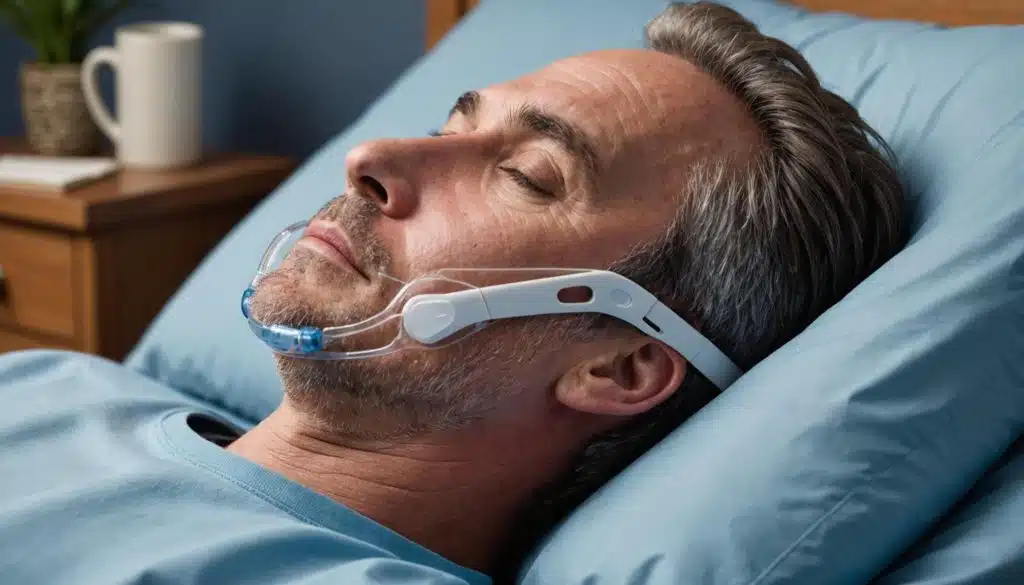
If you snore loudly, wake up feeling exhausted, or have been diagnosed with obstructive sleep apnea, you may assume that a CPAP machine is your only treatment option. CPAP therapy can be highly effective, but not every patient finds it comfortable or practical. Some people struggle with the mask, air pressure, noise, tubing, or the inconvenience of traveling with a machine.
For many adults, oral appliance therapy offers another way to improve nighttime breathing. This treatment uses a small, custom-made dental device that is worn while sleeping. It may look somewhat like a mouthguard, but it is carefully designed to support the jaw and help keep the airway open.
At SD Sleep & TMJ Center, patients can receive an individualized evaluation for oral appliance therapy in San Diego. The goal is not simply to stop snoring. It is to determine why your breathing is being interrupted and whether a professionally fitted oral appliance may be an appropriate part of your treatment.
What Is Oral Appliance Therapy?
Oral appliance therapy is a nonsurgical treatment used to manage certain cases of obstructive sleep apnea and snoring. The patient wears a removable dental appliance during sleep. Most sleep apnea appliances work by gently holding the lower jaw in a slightly forward position.
Moving the jaw forward can help create more room behind the tongue and reduce the likelihood that soft tissues will collapse into the airway. This may allow air to move more freely while you sleep.
A custom oral appliance for sleep apnea is different from an athletic mouthguard, a nightguard for teeth grinding, or an over-the-counter anti-snoring device. Although these products may appear similar, their designs and purposes are not the same.
A professionally made sleep appliance is created from detailed records of your teeth, bite, jaw position, and oral anatomy. It can also be adjusted gradually so that the jaw is advanced to a position that improves breathing while remaining as comfortable as possible.
Oral appliance therapy should be coordinated with an appropriate medical diagnosis. A dentist who practices dental sleep medicine does not replace the role of a physician or sleep specialist in diagnosing obstructive sleep apnea. Instead, the dentist works as part of the patient’s care team by evaluating the mouth and jaw, providing the appliance, adjusting it, and monitoring oral health over time.
How Does an Oral Appliance for Sleep Apnea Work?
Obstructive sleep apnea occurs when the upper airway repeatedly becomes narrowed or blocked during sleep. As the muscles of the throat relax, the tongue and surrounding soft tissues may move backward. If the airway becomes too narrow, airflow may decrease or stop temporarily.
The brain then responds to the disruption by briefly waking the body enough to restore breathing. These awakenings may be so short that the patient does not remember them. However, they can occur repeatedly throughout the night and prevent the person from receiving consistent, restorative sleep.
A mandibular advancement appliance helps by supporting the lower jaw in a forward position. Because the tongue is connected to the lower jaw, this positioning may also help keep the tongue from falling as far backward. The result can be a more stable airway and fewer breathing interruptions.
The appliance does not force air into the airway the way CPAP does. Instead, it changes the position of the jaw and related oral structures to improve airflow. This is one reason many patients find oral appliance therapy less intrusive than machine-based treatment.
Results vary from person to person. The effectiveness of an appliance depends on several factors, including the severity and pattern of sleep apnea, airway anatomy, body position during sleep, weight, nasal breathing, jaw structure, appliance design, and how consistently the device is worn.
Is an Oral Appliance the Same as a Sleep Apnea Mouthguard?
Patients often search for a “sleep apnea mouthguard San Diego” because a sleep appliance resembles a protective mouthguard. However, calling it a mouthguard can create the impression that it is a simple, one-size-fits-all product.
A custom sleep apnea appliance is a medical treatment device. It must fit securely, maintain a prescribed jaw position, and allow for controlled adjustments. A dentist must also consider how the appliance will affect the teeth, gums, bite, jaw muscles, and temporomandibular joints.
Over-the-counter devices may not provide the same fit, durability, adjustability, or clinical oversight. An appliance that moves the jaw too far, fits poorly, or places uneven pressure on the teeth could cause discomfort without adequately treating the underlying breathing problem.
Custom, adjustable appliances are generally preferred when oral appliance therapy is prescribed for an adult with obstructive sleep apnea. Professional follow-up is an essential part of treatment because the device may need to be modified as the patient adapts to it.
Who May Be a Good Candidate for Oral Appliance Therapy?
Oral appliance therapy may be appropriate for adults with primary snoring or obstructive sleep apnea, depending on the diagnosis and individual clinical findings.
It is often considered for patients with mild to moderate obstructive sleep apnea. It may also be considered for some people with more severe sleep apnea when CPAP cannot be tolerated or when a sleep physician recommends an oral appliance as part of a broader treatment plan.
You may be a potential candidate when:
- You have received a sleep apnea diagnosis from a qualified medical provider
- You snore but have not yet been evaluated for sleep apnea
- You cannot use CPAP consistently
- You remove your CPAP mask during sleep
- You experience mask leakage, skin irritation, dryness, or feelings of claustrophobia
- You frequently travel and need a compact treatment option
- You prefer an oral appliance after discussing the available choices with your healthcare providers
Being interested in a CPAP alternative in San Diego does not automatically mean an oral appliance is the right solution. A comprehensive evaluation is needed because not every patient has the dental health, jaw function, or airway characteristics required for successful treatment.
When Might Oral Appliance Therapy Not Be the Best Choice?
Some patients may not be ideal candidates for a traditional mandibular advancement appliance. For example, the device generally needs stable teeth or another reliable source of support. Significant untreated gum disease, extensive tooth mobility, active dental decay, or certain restorative concerns may need to be addressed before treatment.
Jaw joint symptoms must also be evaluated carefully. Having a history of temporomandibular joint discomfort does not always rule out oral appliance therapy, but it may influence the appliance design, starting position, adjustment process, and monitoring schedule.
Patients with severe sleep apnea require particularly careful coordination with a sleep physician. While an oral appliance may still be considered in selected circumstances, it should not be assumed to be an equal substitute for CPAP in every case.
Central sleep apnea is another important consideration. Oral appliances are primarily used for obstructive breathing problems. Central sleep apnea involves a different mechanism in which the brain does not consistently send the proper signals to the breathing muscles. It requires medical assessment and may call for a different treatment approach.
Oral Appliance Therapy Versus CPAP
CPAP, or continuous positive airway pressure therapy, uses a bedside machine to deliver pressurized air through a mask. The airflow helps prevent the airway from collapsing during sleep.
For many patients, CPAP is extremely effective when it is worn consistently and adjusted properly. It is frequently recommended for moderate or severe obstructive sleep apnea because it can provide strong control of breathing events.
The challenge is that effectiveness depends on actual use. A treatment cannot provide its intended benefits while it is sitting unused on a nightstand. Some patients adapt well to CPAP, while others have persistent difficulty wearing it for the entire night.
Oral appliance therapy is generally smaller, quieter, and easier to transport. It does not require electricity, tubing, a mask, or a source of pressurized air. Many patients also appreciate that they can speak, drink water, and move around after placing the device.
However, an oral appliance is not automatically more effective than CPAP. CPAP may reduce breathing interruptions more consistently, especially in patients with severe obstructive sleep apnea. The best treatment is the one that is medically appropriate, objectively effective, and used reliably.
When patients search for a CPAP alternative in San Diego, they should look for a provider who will discuss both the advantages and limitations of oral appliance therapy rather than promising that one device works for everyone.
What Are the Benefits of Oral Appliance Therapy?
Convenience is one of the most noticeable benefits. A custom appliance fits into a small storage case, making it easier to take on business trips, vacations, camping trips, or flights. No electrical outlet is required.
The device is also silent. This can be appealing to both the patient and the patient’s sleeping partner.
Many people find an appliance less visually and physically intrusive than a mask. There are no facial straps, air hoses, or machine sounds. Patients who experience claustrophobia with a CPAP mask may find a dental appliance easier to tolerate.
When treatment is effective, potential improvements may include reduced snoring, fewer breathing interruptions, better sleep quality, less morning grogginess, improved daytime alertness, and fewer sleep-related awakenings.
The appliance may also be used as part of combination therapy. In selected cases, it can be paired with positional therapy, weight management, nasal treatment, lifestyle changes, or CPAP. Some patients use an oral appliance when traveling while continuing to use CPAP at home, although this arrangement should be discussed with their healthcare providers.
What Are the Possible Side Effects?
Oral appliance therapy is noninvasive, but it is not free of potential side effects. During the adjustment period, some patients notice increased saliva, dry mouth, tooth tenderness, jaw muscle fatigue, or temporary discomfort when biting in the morning.
These symptoms are often manageable with careful adjustment and follow-up. Patients may also receive exercises or a morning repositioning device to help the jaw return to its usual position after removing the appliance.
Long-term use can sometimes cause gradual changes in the bite or tooth position. These changes may be small, but they are one reason ongoing dental monitoring is important. Patients should not assume that once they receive an appliance, no further care is needed.
Tell your provider promptly if you experience persistent jaw pain, worsening joint symptoms, loose teeth, gum irritation, a noticeable bite change, or difficulty wearing the device. Early adjustments may prevent a minor concern from becoming a larger problem.
What Happens During an Oral Appliance Therapy Evaluation?
The process usually begins with a consultation and review of your sleep history. You may be asked about snoring, witnessed breathing pauses, morning headaches, dry mouth, nighttime awakenings, daytime sleepiness, concentration difficulties, and previous attempts to use CPAP.
Your provider will also review your medical history, dental health, medications, prior sleep testing, and any jaw joint or facial pain concerns.
The dental examination may include an evaluation of:
- The teeth and existing dental restorations
- Gum and bone support
- The way the upper and lower teeth fit together
- Jaw movement and range of motion
- Jaw muscles and temporomandibular joints
- Tongue position and available oral space
- Signs of grinding, clenching, or abnormal tooth wear
- Nasal and oral breathing patterns
Digital scans or impressions may be taken to create a model of your teeth. Bite records help determine an appropriate starting position for the jaw. The appliance is then fabricated specifically for your mouth.
Once the device is delivered, the dentist checks its fit and explains how to place, remove, clean, and store it. Treatment generally begins at a conservative jaw position. The appliance can then be adjusted incrementally based on comfort, symptoms, and clinical response.
How Do You Know Whether the Appliance Is Working?
A reduction in snoring can be encouraging, but snoring alone is not a reliable measurement of treatment success. A person may snore less and still experience obstructive breathing events.
You may notice that you feel more rested, wake less often, or have more energy during the day. A sleeping partner may also report quieter breathing or fewer gasping episodes. These improvements are useful, but objective follow-up testing is often needed to determine whether the appliance is adequately controlling sleep apnea.
The follow-up study may be performed at home or in a sleep laboratory, depending on the patient’s needs and the sleep physician’s recommendations. The results can help determine whether the appliance needs further adjustment or whether another treatment should be considered.
Effective dental sleep medicine in San Diego should include this type of collaboration. Treatment is not simply the delivery of a device. It is an ongoing process involving fitting, adjustment, testing, communication, and long-term monitoring.
How Long Does an Oral Appliance Last?
The lifespan of a sleep appliance varies according to its design, materials, nightly use, cleaning routine, tooth grinding habits, dental changes, and the amount of force placed on it.
Some appliances may last several years, but they should be inspected regularly. Cracks, worn components, changes in fit, looseness, or reduced retention can affect comfort and performance.
Changes to your dental health may also require modification or replacement. New crowns, bridges, implants, fillings, orthodontic treatment, tooth loss, or changes in gum support can alter how the appliance fits.
Bring your sleep appliance to dental and sleep medicine appointments so that its condition can be checked. Do not continue using a damaged or poorly fitting device without professional guidance.
Will Insurance Cover Oral Appliance Therapy?
Coverage varies by insurance company, medical plan, diagnosis, policy requirements, and provider participation. Because the appliance is used to treat a medical condition, benefits are often considered under medical insurance rather than routine dental insurance.
A plan may require documentation of an obstructive sleep apnea diagnosis, a prescription or referral, sleep study results, evidence of CPAP intolerance, or other clinical records. Deductibles, coinsurance, exclusions, and prior authorization requirements can affect the patient’s out-of-pocket responsibility.
Before beginning treatment, ask for an estimate and verify how your individual plan handles oral appliance therapy. An estimate is helpful, but it is not a guarantee of payment by the insurance company.
Cost should be considered alongside the long-term importance of treating sleep apnea. Leaving the condition untreated because one therapy was difficult to tolerate may expose the patient to ongoing symptoms and health concerns. Exploring another medically appropriate option may be worthwhile.
Why Choose a Provider Experienced in Dental Sleep Medicine?
Creating a sleep apnea appliance requires more than taking a simple impression. The provider must understand airway health, sleep disorders, jaw movement, dental materials, occlusion, appliance selection, and the potential effects of long-term mandibular advancement.
This is especially important for patients who also have jaw pain, clicking, limited movement, tooth wear, or a history of TMJ symptoms. Appliance design and jaw positioning should be selected with those concerns in mind.
At SD Sleep & TMJ Center, the evaluation focuses on the whole patient rather than treating snoring as an isolated problem. Your dental condition, sleep diagnosis, symptoms, airway concerns, jaw function, treatment history, and personal preferences all help guide the recommendation.
A well-managed oral appliance therapy San Diego program should also involve communication with the medical professionals responsible for diagnosing and monitoring your sleep apnea.
Can an Oral Appliance Help With Snoring Without Sleep Apnea?
Oral appliances can be used for primary snoring, which means snoring that occurs without obstructive sleep apnea. However, it is important not to assume that snoring is harmless.
Loud, frequent snoring can be a warning sign of airway obstruction. Other signs that may point toward sleep apnea include witnessed breathing pauses, choking or gasping during sleep, morning headaches, high blood pressure, nighttime urination, dry mouth, unrefreshing sleep, and excessive daytime tiredness.
A sleep evaluation should take place before treating persistent snoring. Reducing the sound without determining whether sleep apnea is present could create a false sense of security.
Once obstructive sleep apnea has been ruled out or appropriately diagnosed, a custom appliance may be considered to reduce primary snoring.
Is Oral Appliance Therapy Right for You?
The right sleep apnea treatment depends on more than whether you prefer a mouthguard or a machine. Your diagnosis, apnea severity, oxygen levels, airway anatomy, dental condition, jaw health, sleep position, medical history, and treatment goals must all be considered.
Oral appliance therapy may be especially appealing when CPAP has been difficult to tolerate or when a patient strongly prefers a compact, mask-free option. It may also be useful for patients seeking treatment for primary snoring after sleep apnea has been ruled out.
The most important step is receiving an individualized assessment. Buying an online anti-snoring product or choosing a treatment based only on convenience may delay effective care.
If you have already been diagnosed with obstructive sleep apnea, bring your sleep study and CPAP information to your consultation. If you have not been tested but are experiencing warning signs, the team can discuss the appropriate next steps and coordination with a medical sleep provider.
Take the Next Step Toward Healthier Sleep in San Diego
Poor sleep affects more than your energy. It can influence your mood, concentration, productivity, relationships, and overall quality of life. When snoring or sleep apnea is preventing you from receiving restorative sleep, it deserves professional attention.
For selected patients, a custom oral appliance offers a comfortable and convenient way to support more stable nighttime breathing. It may serve as an alternative to CPAP, a complement to other therapies, or a treatment for primary snoring when medically appropriate.
SD Sleep & TMJ Center provides personalized evaluations for patients interested in an oral appliance for sleep apnea and other dental sleep medicine San Diego services. The process includes careful assessment, custom appliance selection, gradual adjustment, ongoing dental monitoring, and coordination with sleep medicine professionals.
Schedule a consultation with SD Sleep & TMJ Center to learn whether oral appliance therapy is right for your health, comfort, and sleep needs.